
From the team.
Insights, updates, and resources on accepting crypto payments.
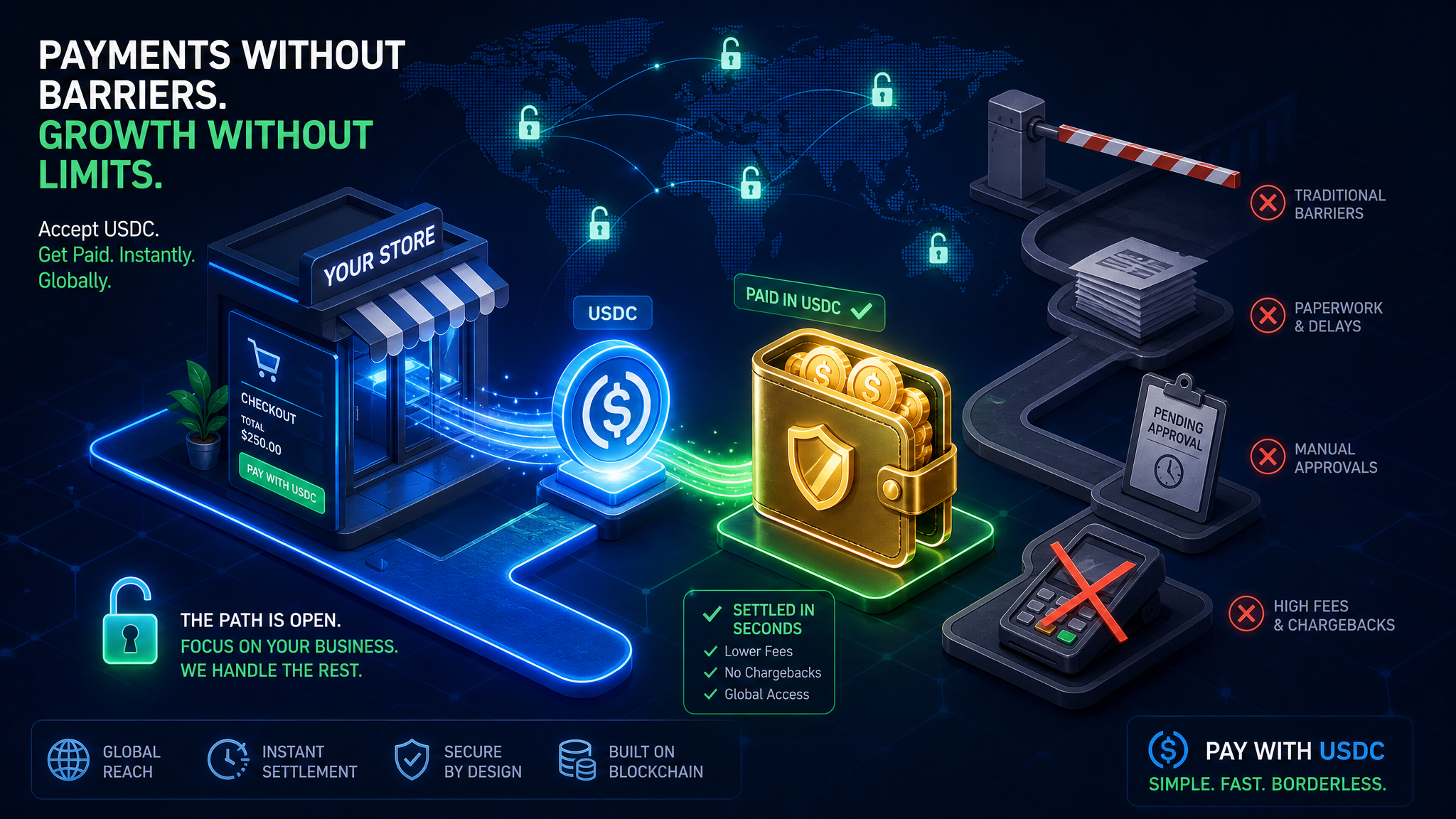
How to Accept Stablecoin Payments Without Stripe Approval or KYC
Stripe rejected you, or you just can't use it where you are. Card processors gate the world by geography — and they gate your customers too. Here's how to accept USDC and other stablecoins without a compliance queue, without a custodian holding your money, and without giving anyone three weeks of pa...
How to Accept Stablecoin Payments Without Stripe Approval or KYC
Stripe rejected you, or you just can't use it where you are. Card processors gate the world by geography — and they gate your customers too. Here's how to accept USDC and other stablecoins without a compliance queue, without a custodian holding your money, and without giving anyone three weeks of paperwork.

Non-Custodial Crypto Subscriptions: A Real Stripe Alternative for Global SaaS
Stripe can't reach every customer — and when it does, it holds your money for days. Here's how to run real on-chain subscriptions with USDC on Ethereum, Base, and Solana, with no custody risk and no geo-gates.
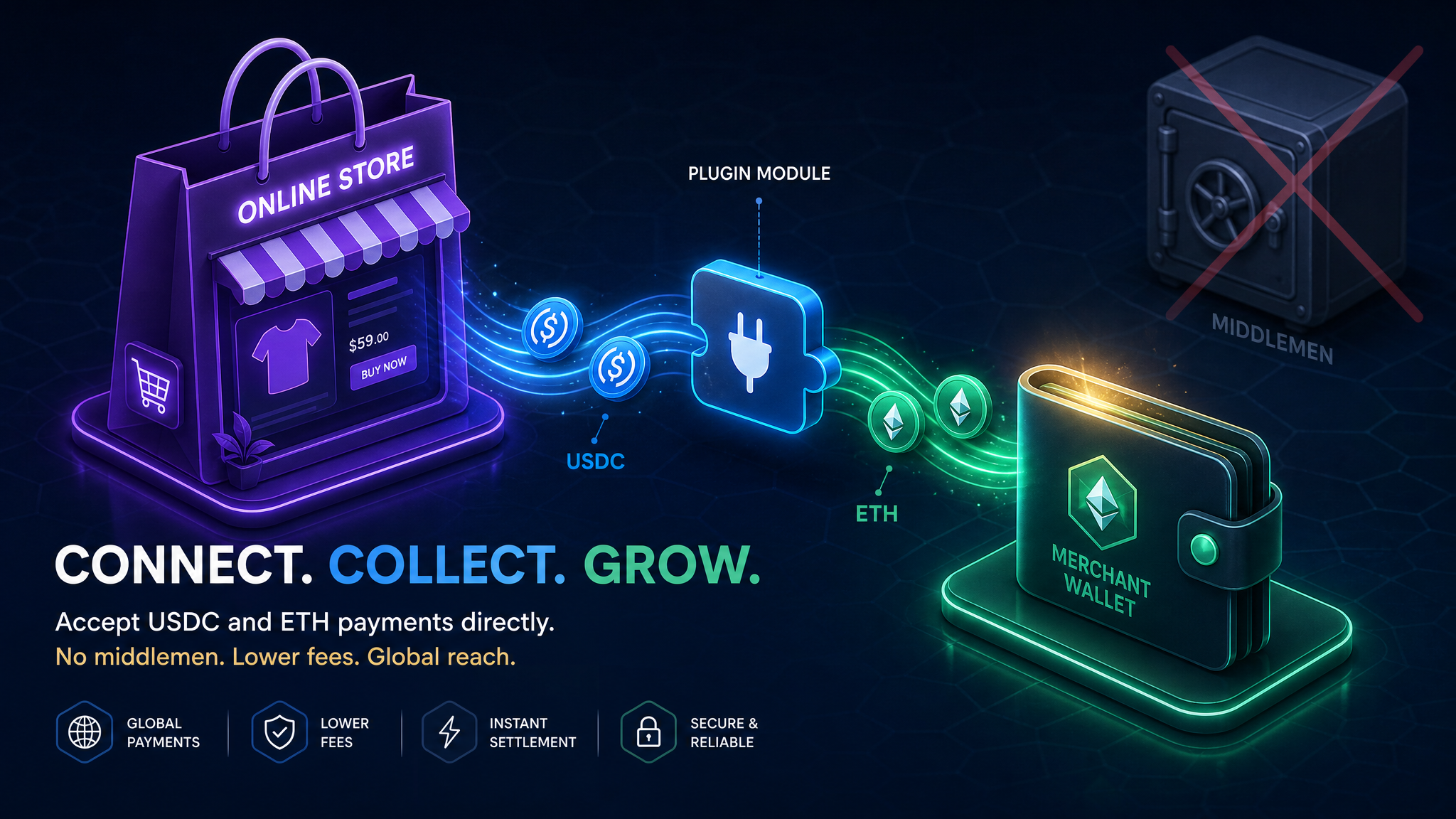
Crypto Payments for WooCommerce: Accept USDC and More Without a Custodian
Most WooCommerce crypto plugins still hold your funds in the middle — different name, same payout wait. Here's how to accept USDC, ETH, and more directly into your own wallet using the QBitFlow plugin, with no custodian and a 1.5% flat fee.
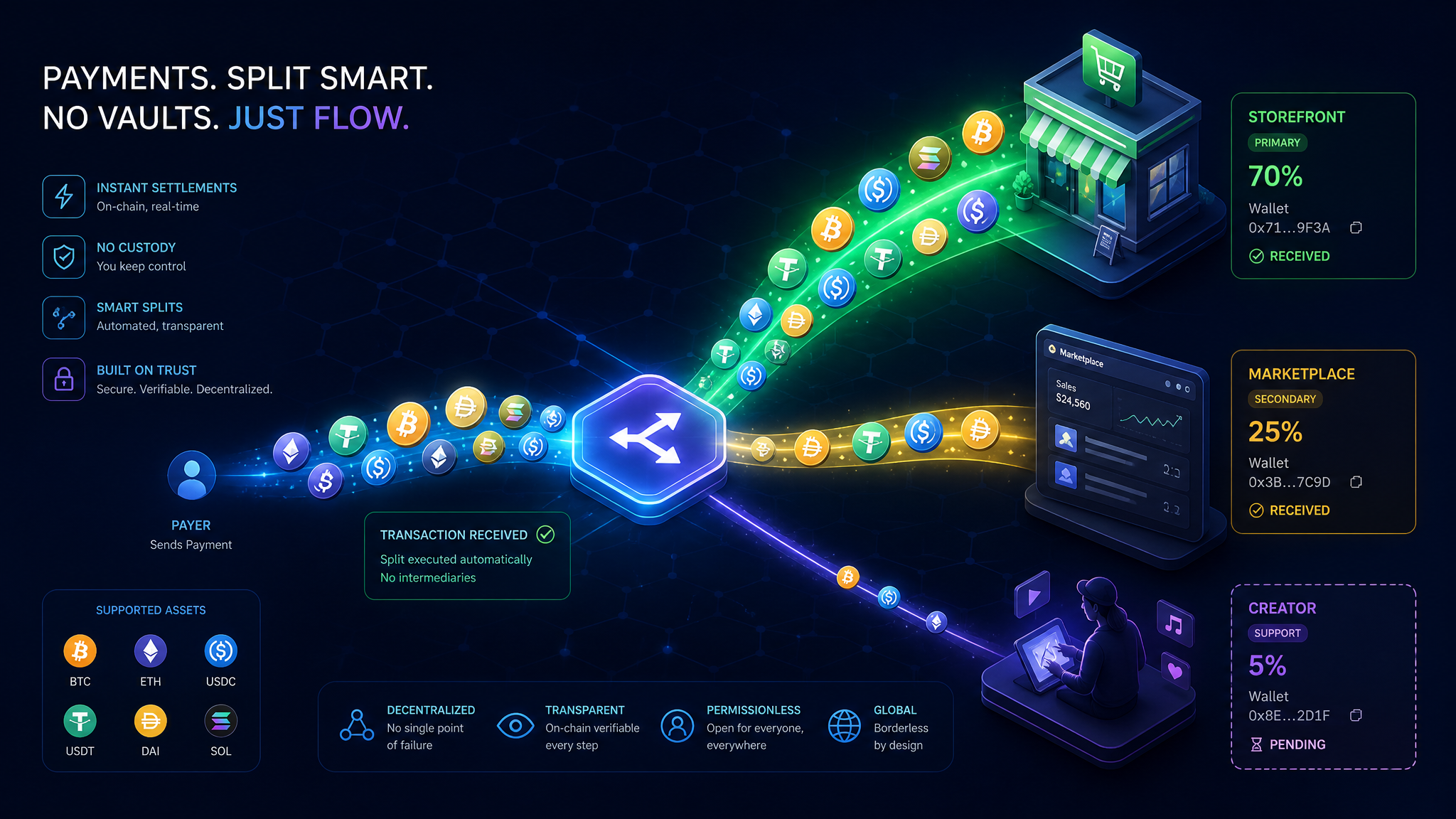
Crypto Payments for Marketplaces: Splitting Fees On-Chain Without Holding Anyone's Money
How marketplaces, platforms, and creator networks can take a cut of every transaction automatically — on-chain, non-custodial — and pay vendors who don't even have a wallet yet.
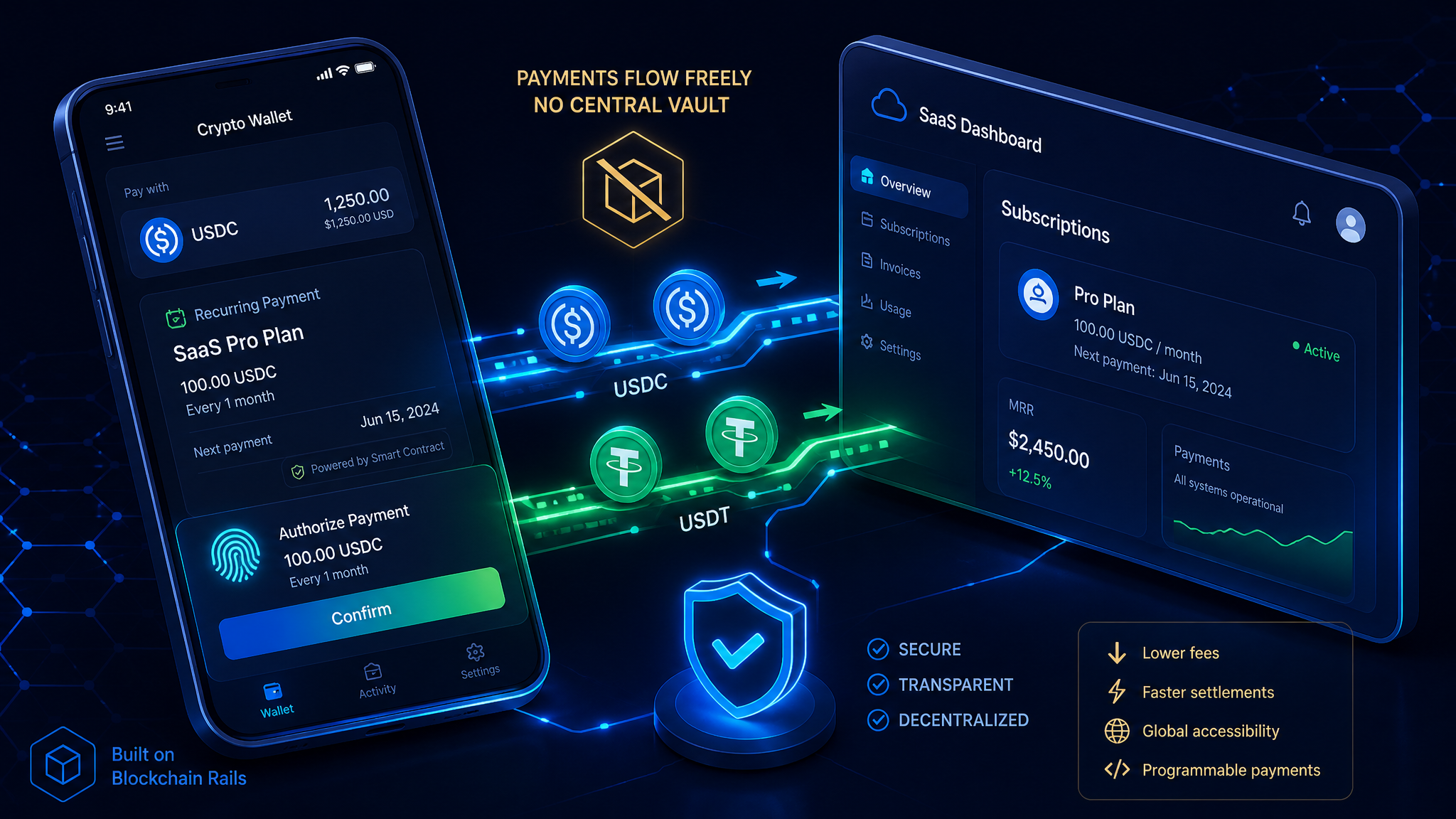
How to Accept Crypto Subscriptions (Without Holding Your Customers' Money)
A practical guide to recurring crypto payments for SaaS and membership businesses — spending-cap authorizations, free trials with zero wallet friction, and why the money never touches a middleman.
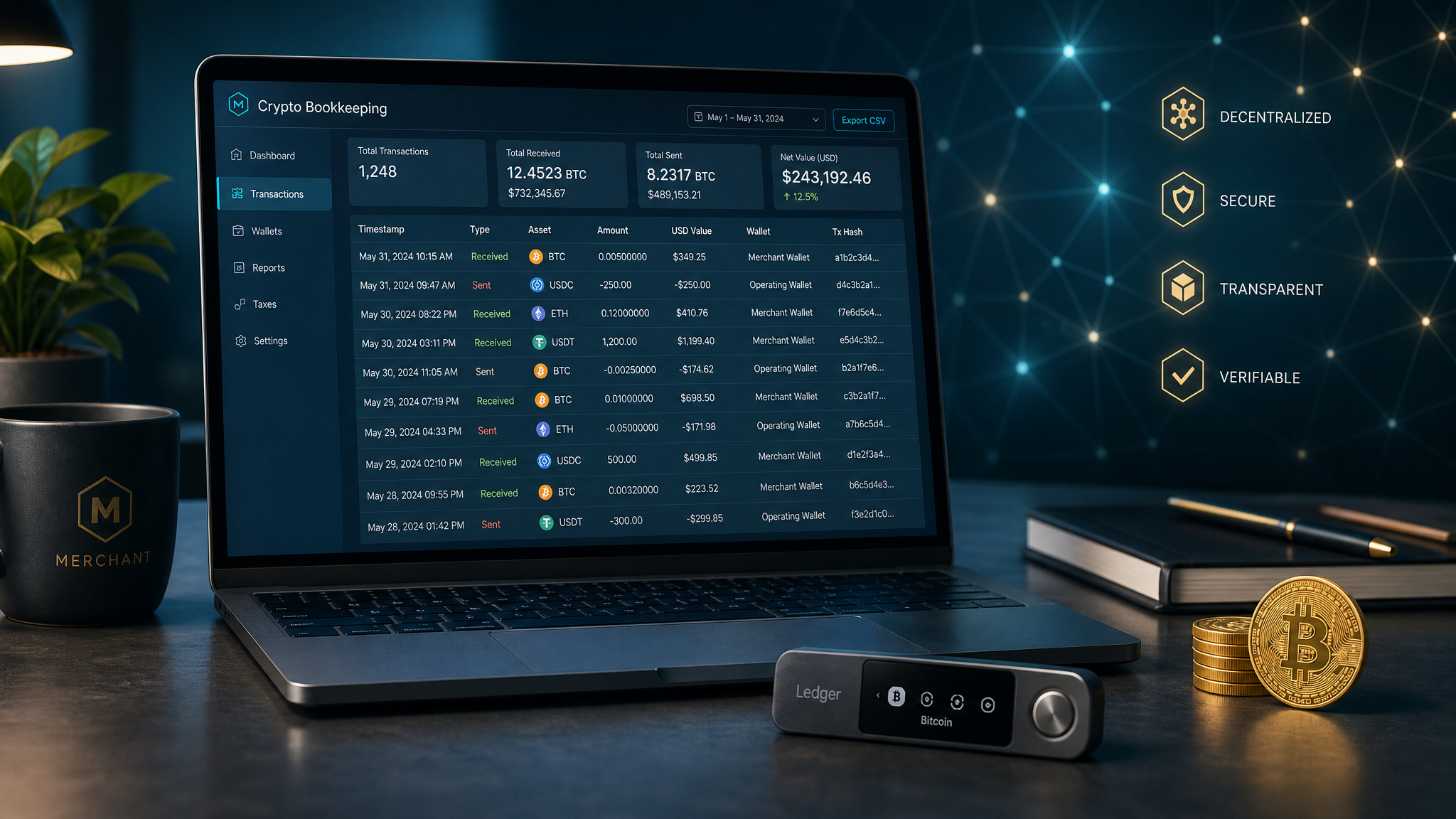
Crypto Accounting for Merchants: How to Get Tax-Ready Books Out of On-Chain Payments
The honest answer to 'how do I handle accounting?' — the top question every merchant asks before accepting crypto. What a proper transaction export looks like and why USD-at-receipt is the field that matters.
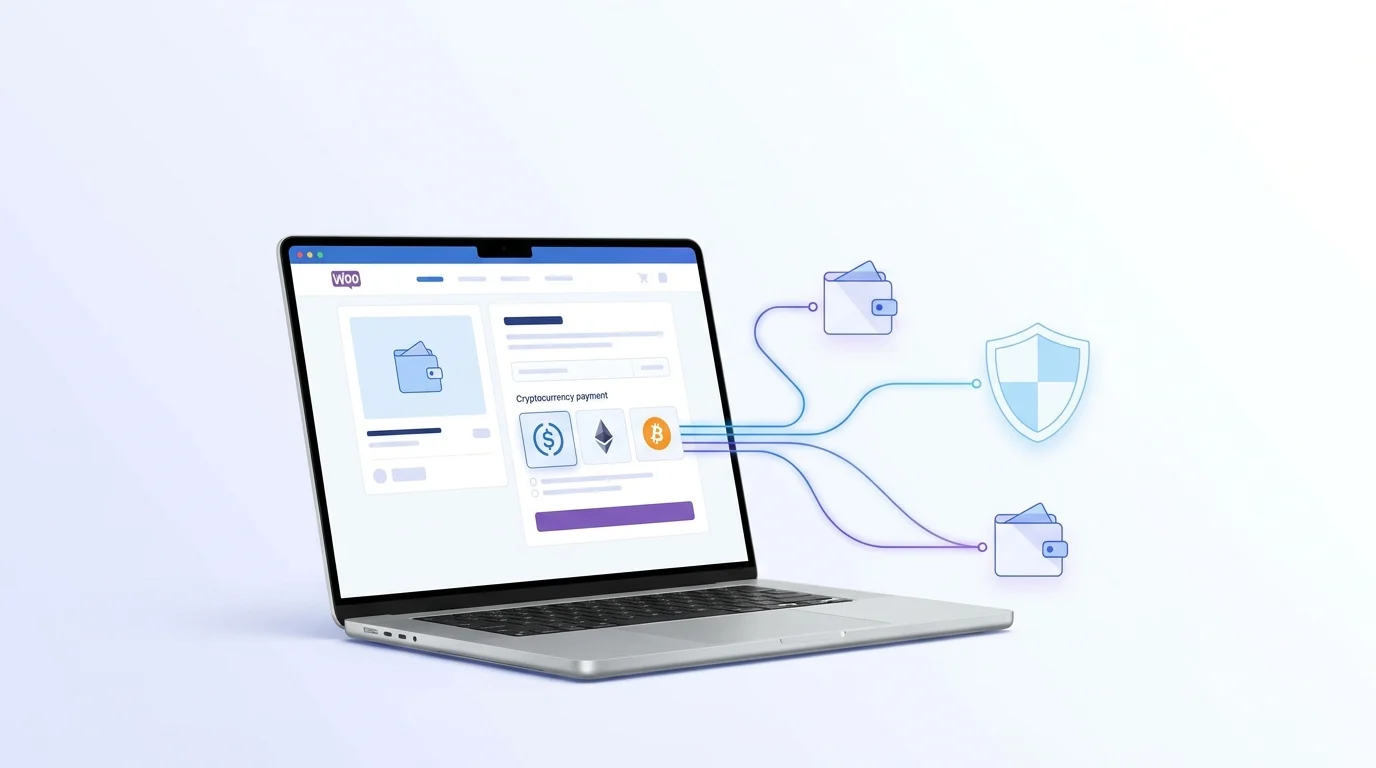
How to Accept Crypto Payments on WooCommerce (Without a Custodial Processor)
Your WooCommerce store can accept USDC, ETH, and other crypto today — without handing your funds to a third party, without KYC paperwork, and without waiting days for a payout. Here's exactly how to set it up.

How QBitFlow's On-Chain Referral Program Works. Earn 20% of Our Fee, Enforced by Smart Contract.
Most referral programs are an IOU: a dashboard promises you're owed something, and you get paid if the company's accounting agrees, when their payout schedule comes around. We built ours differently. Refer anyone to QBitFlow or [qbf.cash](https://qbf.cash) and you earn 20% of our fee on every transaction they make for six months — taken automatically on-chain at settlement, out of our cut, not theirs. Here's how it works, and why we put the payout on the blockchain.

How to Build an E-commerce Site with WordPress + WooCommerce + QBitFlow. Accept Crypto Payments in Under 30 Minutes.
Most WordPress stores accept cards. A small but growing percentage also accept crypto — not as a statement, but as a payment option that settles in seconds, costs less, and cannot be charged back. This tutorial walks through the full setup: signup, plugin install, configuration, test mode, and going live on Ethereum, Solana, or Base. About 30 minutes from zero to your first on-chain checkout.

How We Solved Chargebacks Without Custody — The QBitFlow Refund Architecture.
Every pitch for non-custodial crypto payments runs into the same objection: but what about chargebacks? The assumption underneath — that chargebacks equal consumer protection — concedes the entire dispute-resolution layer before the conversation starts. It shouldn't. This is the architecture we built instead: transparent, auditable, anchored on-chain, and decided by the merchant, not Visa.
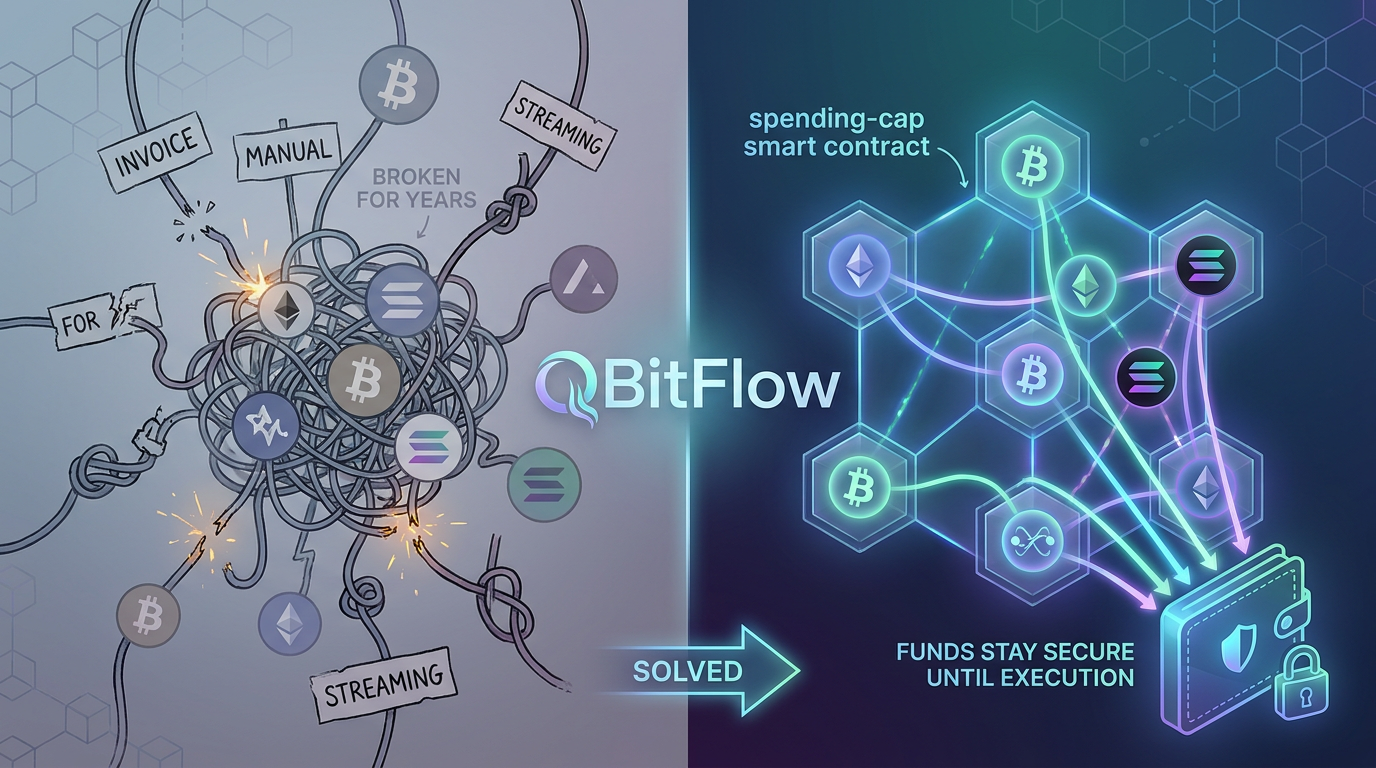
Crypto Subscription Billing: How Recurring Payments Actually Work On-Chain.
Recurring payments in crypto have been broken for years. Manual invoicing, token streaming, or custodial workarounds — none of them solve the core problem. The spending-cap model does: customer approves a budget via smart contract, QBitFlow bills automatically every cycle, funds stay in the customer's wallet until each payment executes. Here's how it works, where it breaks, and what's actually shipped today.

Stablecoin Payments for Marketplaces: How Platforms Can Accept Crypto in 2026.
Marketplaces have always borrowed someone else's payment rails — Stripe Connect, PayPal for Marketplaces, Adyen for Platforms — and accepted the trade-offs: a 0.5% markup on top of card fees, multi-day payout delays, and the standing risk that the platform underneath yours decides your sellers are too risky to serve. Stablecoins quietly removed those trade-offs in 2026. This is what changed, what the three real options look like, and how a non-custodial gateway with smart-contract fee splits fits in.

Trust = Non-Custodial × Great UX. The Two-Pillar Equation for Crypto Payment Adoption.
Crypto payment adoption is not blocked by trust. It is not blocked by UX. It is blocked by the assumption that you have to choose one or the other. Non-custodial settlement gives you trust. Smart wallets, account abstraction, and embedded sign-in give you UX. The teams winning the next decade are the ones treating these as multiplicative, not as a tradeoff. Here is the two-pillar equation, why each half on its own fails, and what the architecture looks like when you build for both.
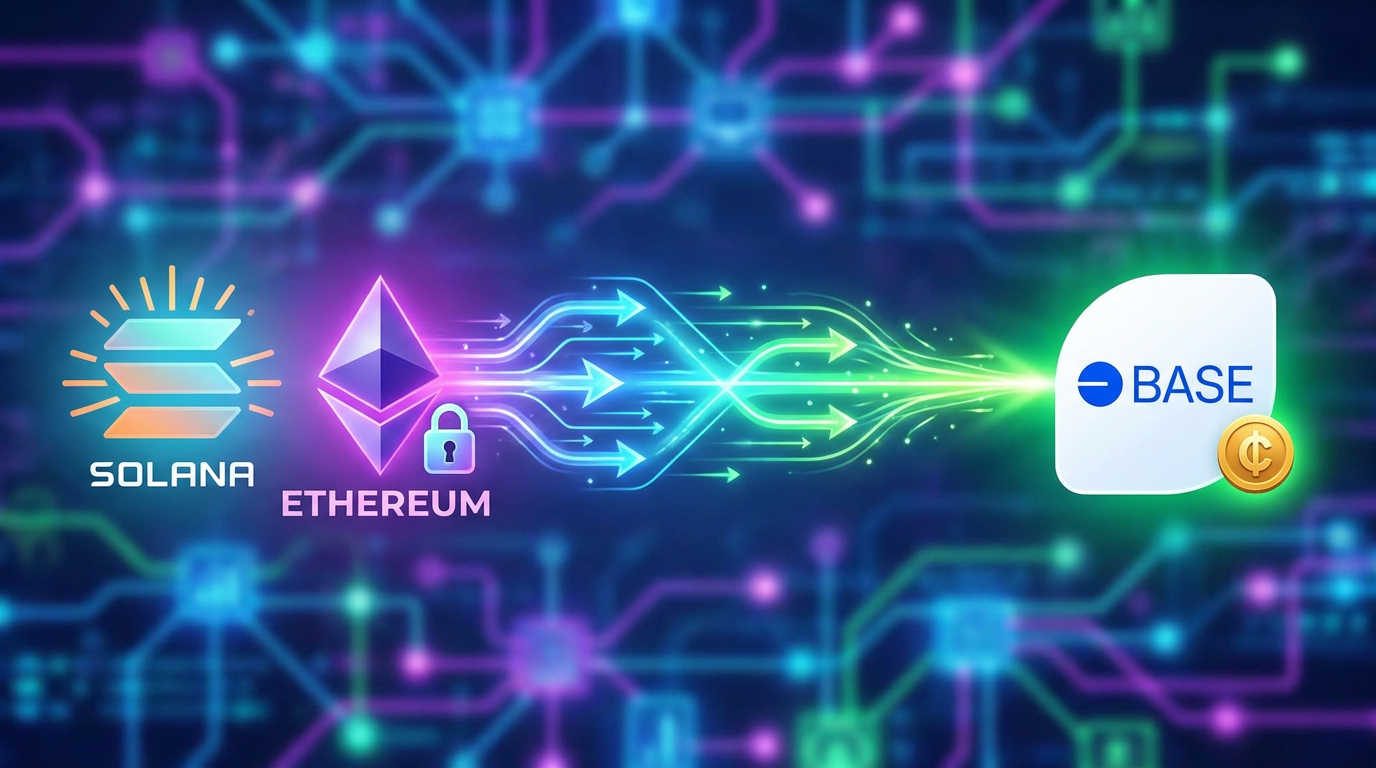
We Built On Two Chains From Day One — Adding Base Six Months Later Was a Weekend.
Picking one chain forces you into ideological camps you don't actually want to be in. We built QBitFlow on Ethereum and Solana from the first commit. Six months later, merchants asked for an EVM L2 with sub-cent fees, so we shipped Base over a weekend. The reason it took a weekend instead of a quarter is the upfront discipline of designing for two execution models from day one.
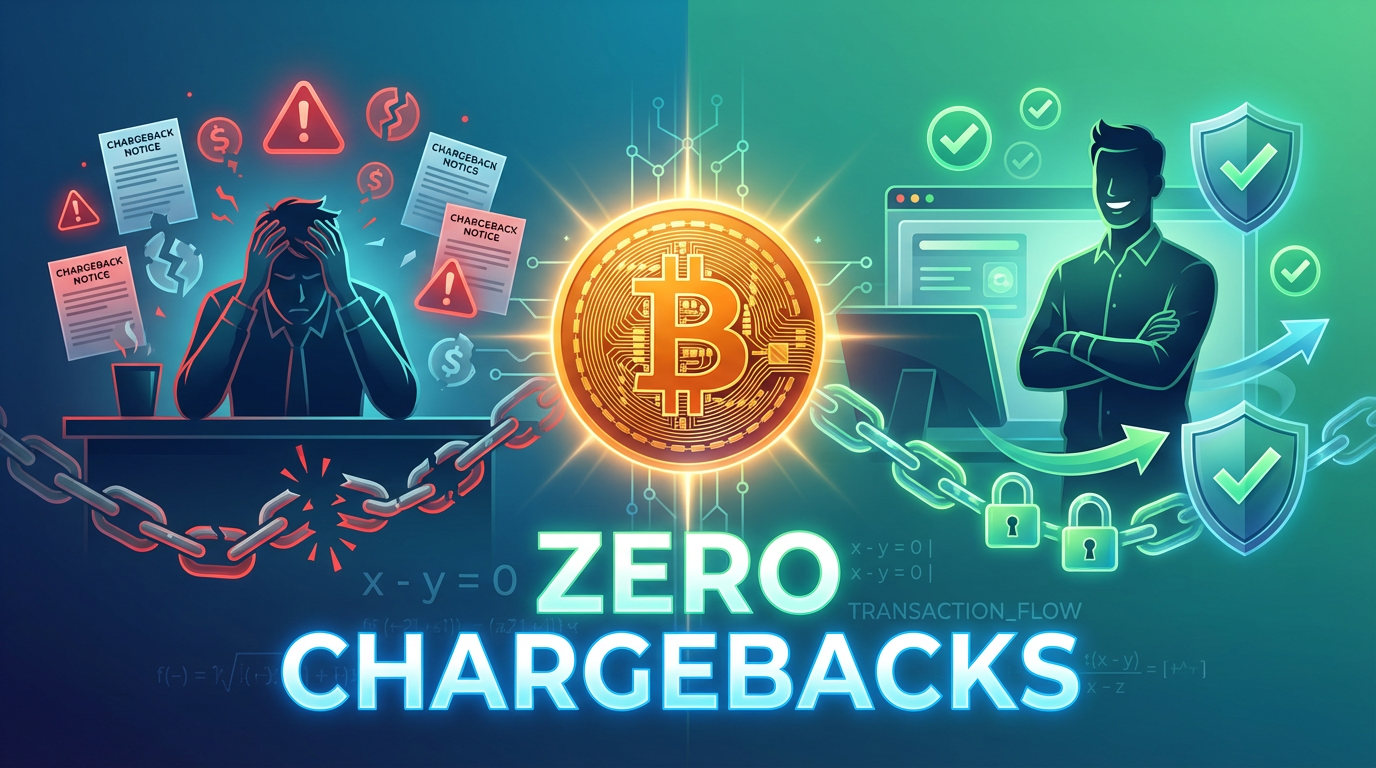
Zero Chargebacks, Forever: Why Crypto Payments Eliminate the $40B Chargeback Problem
Visa just tightened chargeback thresholds to 1.5% — merchants above that face $25K/month fines. Chargebacks cost $40B/year globally, and 70% are friendly fraud. Crypto payments eliminate the problem entirely through push-based architecture: no intermediary, no disputes, no reversals. Here's the math on why it saves merchants thousands per month.

QBitFlow Now Supports Base: Ethereum Security at L2 Prices
QBitFlow deploys on Base — Coinbase's Layer 2. Accept crypto payments with Ethereum-grade security and gas fees under $0.01. USDC, USDT, EURC, WETH supported.

How to Add Crypto Payments to Any Website in 10 Minutes
A practical guide to accepting cryptocurrency payments on your website using QBitFlow's SDK. JavaScript, Python, and Go examples included.

Best Coinbase Commerce Alternatives in 2026 — Complete Guide
Coinbase Commerce shut down March 31, 2026. Here are the 6 best alternatives compared — fees, custody models, features, and which one fits your business.
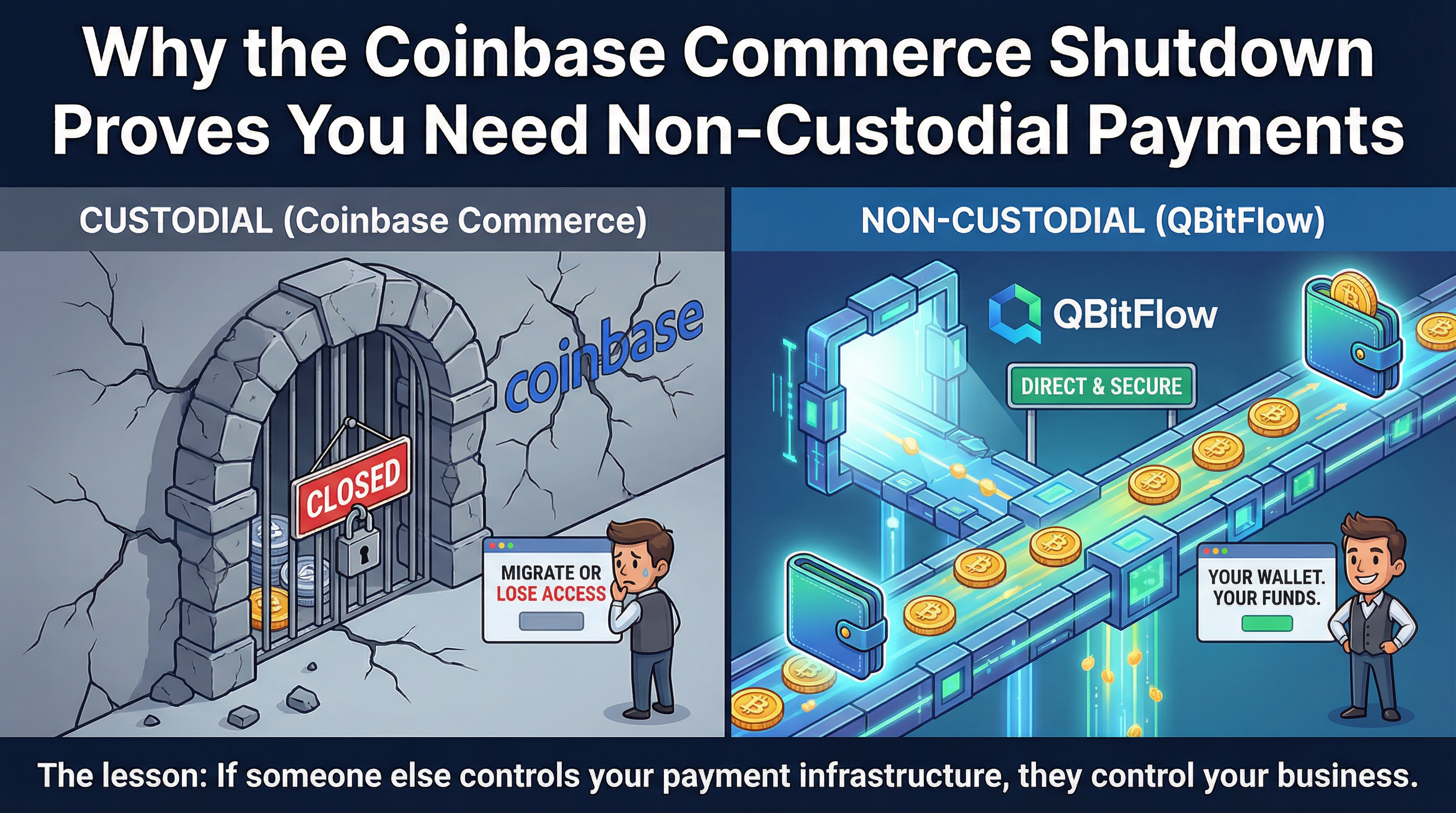
Why the Coinbase Commerce Shutdown Proves You Need Non-Custodial Payments
On March 31, 2026, Coinbase Commerce shuts down for good. Thousands of merchants — from indie SaaS founders to established e-commerce stores — are scrambling to find alternatives.
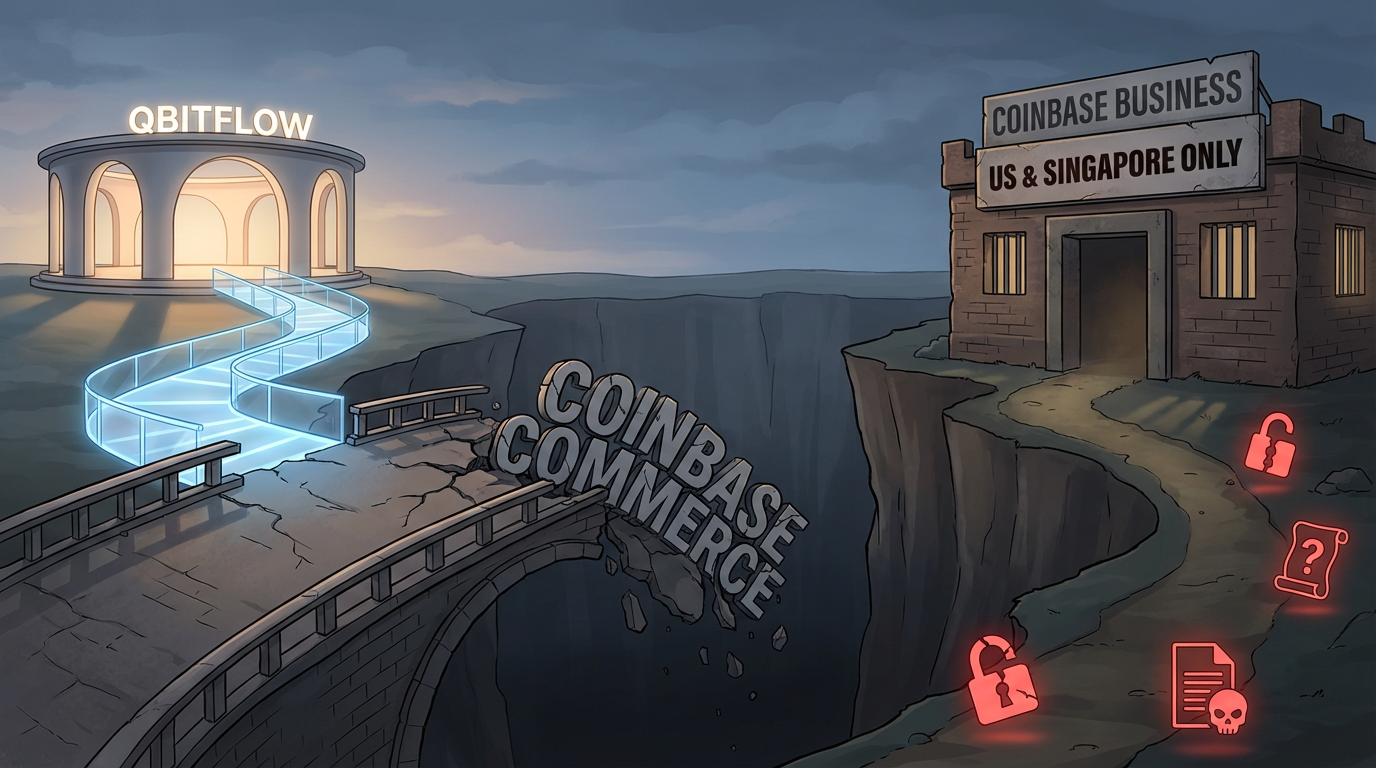
Coinbase Commerce Is Shutting Down — Here's How to Migrate in 10 Minutes
Coinbase Commerce shuts down on March 31, 2026, forcing merchants onto Coinbase Business — a custodial replacement limited to the US and Singapore and surrounded by alarming migration practices (including a seed-phrase submission form).

Why Non-Custodial Matters: The Hidden Risks of Letting Payment Processors Hold Your Crypto
Custodial payment processors can freeze your funds, go bankrupt, or get hacked — and there's nothing you can do about it. Here's why non-custodial crypto payments are the only model that actually protects your business.

Stablecoin Regulation Is Here: What It Means for Merchants Accepting Crypto Payments in 2026
The GENIUS Act is now law, the OCC is building its framework, and Big Tech is moving in. Here's what stablecoin regulation means for merchants considering crypto payments.

QBitFlow vs Stripe: A Complete Fee Comparison for 2026
A detailed comparison of Stripe and QBitFlow fees in 2026. See how much you could save by accepting crypto payments with a non-custodial payment processor.
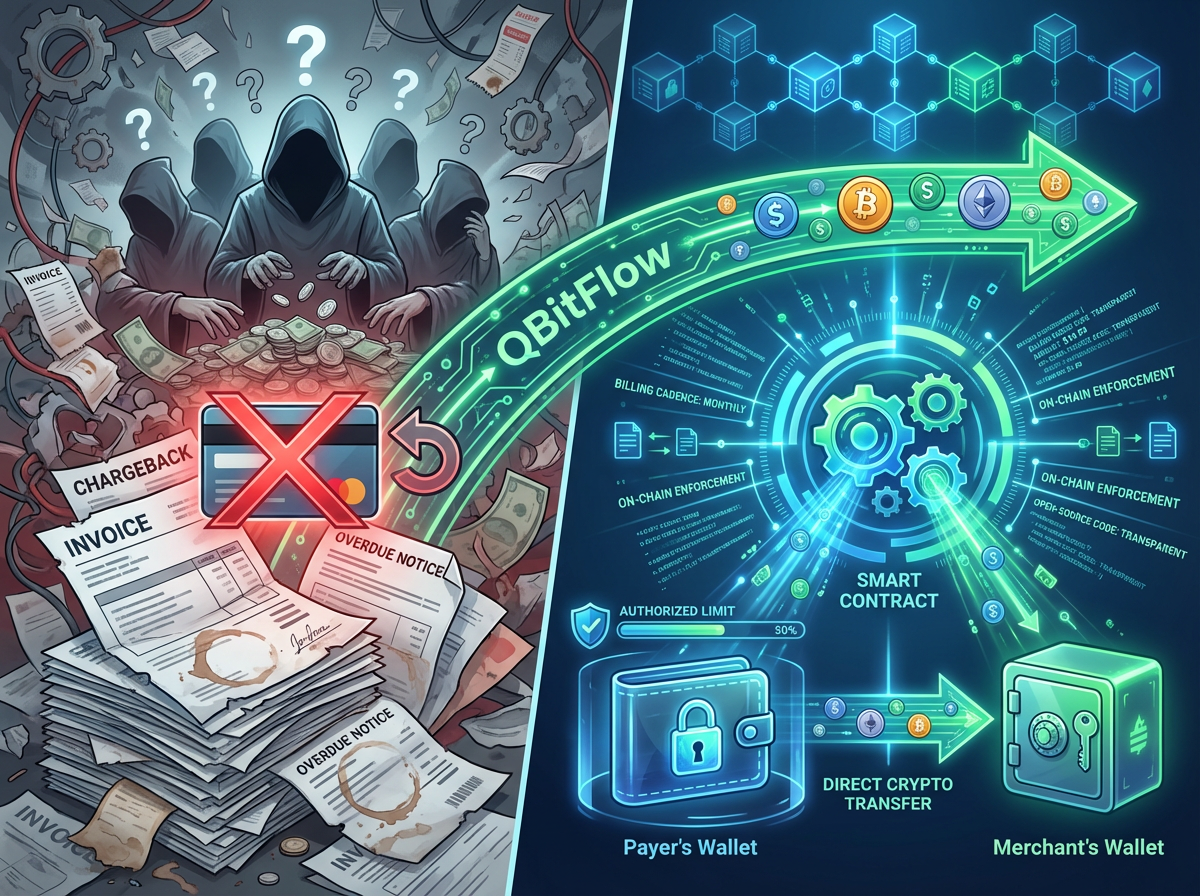
Why Smart Contract Subscriptions Will Replace Traditional Recurring Billing
Traditional subscription billing is broken — failed payments, chargebacks, and opaque intermediaries. Smart contracts fix all of it. Here's how.

Your Payment Processor Can Freeze Your Money. Ours Can't.
Custodial payment processors hold your revenue, freeze accounts without warning, and add counterparty risk you didn't sign up for. Non-custodial changes everything.
Subscribe to Our Newsletter
Stay updated with the latest insights, news, and resources from the QBitFlow team. We'll never spam you.